Matching Articles"20th Century" (Total 17)

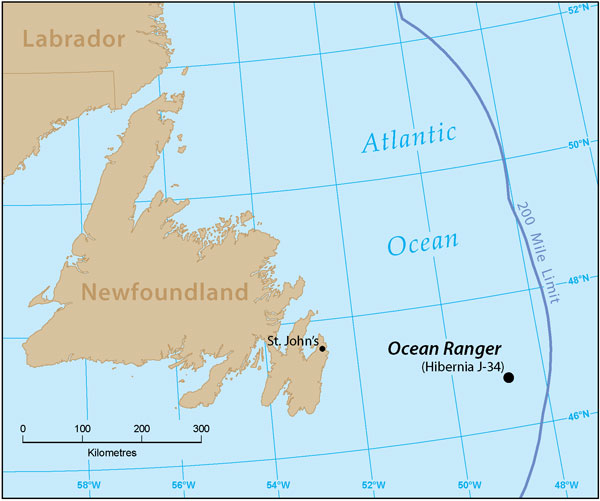
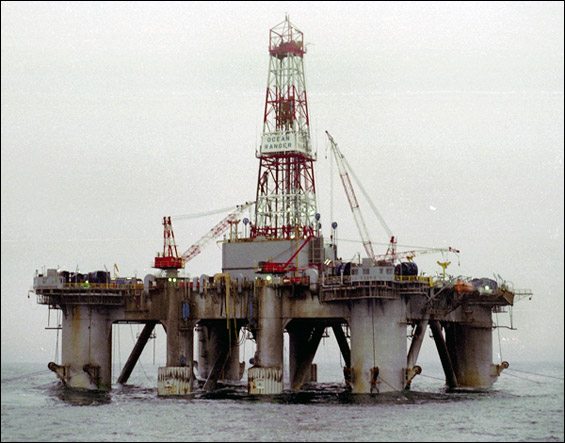
  • On Monday, 15 February 1982, the Ocean Ranger sank while drilling at Hibernia during a bad winter storm
  • The following examples illustrate the use of long-term climate data for siting, design, and operational planning in Newfoundland and Labrador.
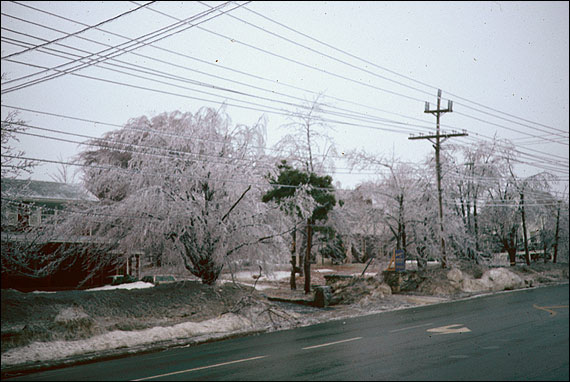
  • Impacts of climate extremes such as prolonged ice accretion, abnormally cool, wet summers or snow deficient winters, heavy rainfall, etc.
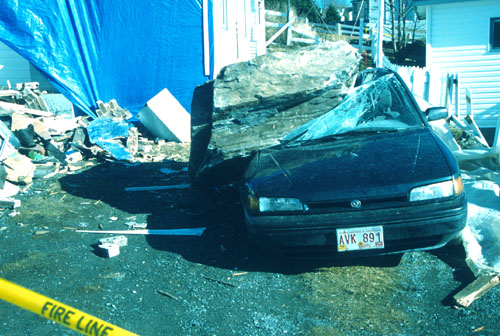
  • Slope-stability or mass-movement problems occur where either sediment and/or rock and/or snow move downslope in response to gravity.
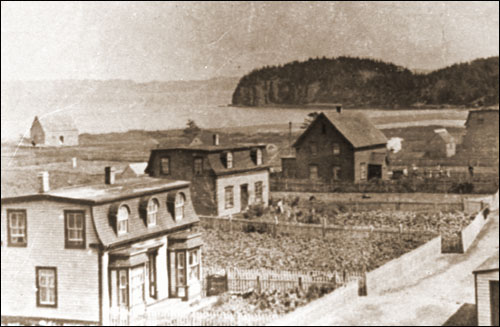
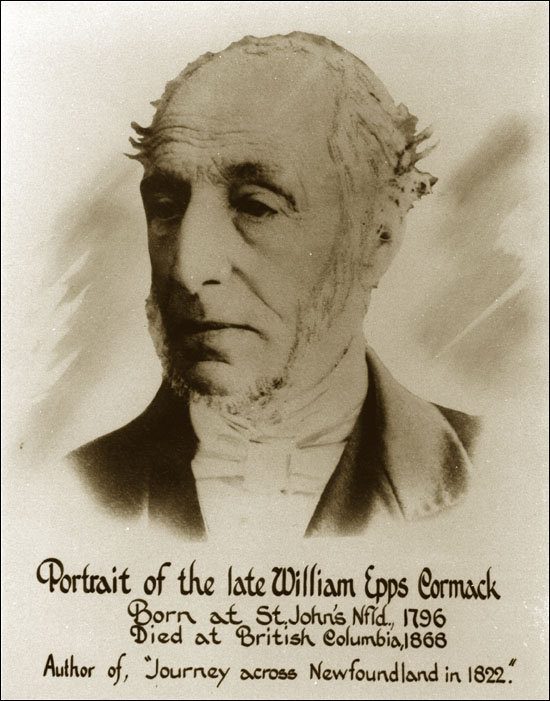
  • Much of our knowledge of daily life in outport Newfoundland in the late 18th and early 19th century comes from the pens of visitors. They were typically missionaries, explorers, naturalists, and geologists whose work brought them to outlying communities not often visited by outsiders or even the local government.
  • Considerable uncertainty surrounds our understanding of daily life in Newfoundland during the late 18th and early 19th centuries.
  • A narrative written by a survivor of SS Caribou, which sunk in the early hours of 14 October 1942 after being hit by a German torpedo.
  • A narrative written by a survivor of the SS Caribou, which sunk in the early hours of 14 October 1942 after being hit by a German torpedo.
  • An introduction to the papers of writer Cassie Brown (1919-1986) dealing with her work Death on the Ice and the 1914 sealing disaster.
  • Some of Newfoundland and Labrador's best-known and most destructive disasters occurred during the era of Responsible Government.
  • The 1982 Ocean Ranger disaster exposed serious weaknesses in the way that government and industry regulated Canada's offshore industry.
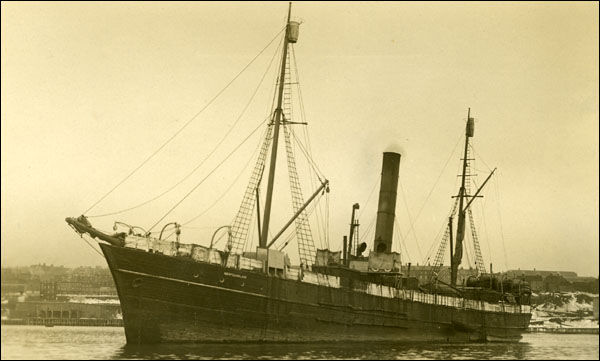
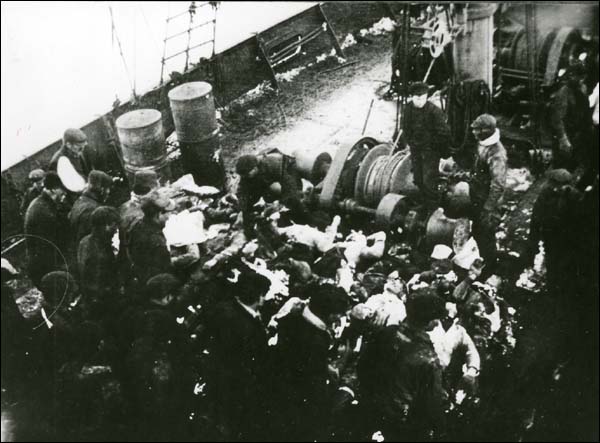
  • A look at the 1914 Sealing Disaster, when 251 sealers died in two simultaneous disasters involving the SS Newfoundland and the SS Southern Cross.
  • How the 1914 sealing disaster impacted the lives of Newfoundlanders and Labradorians, and the government's response to the tragedy.
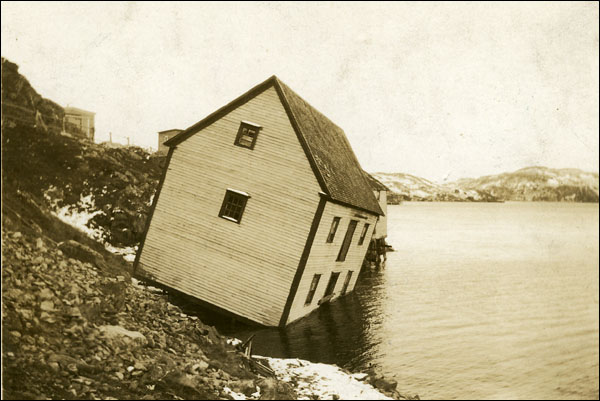
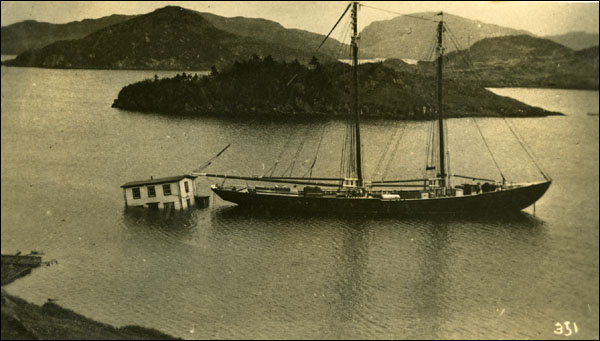
  • On 18 November 1929 a tsunami struck Newfoundland's Burin Peninsula and caused considerable loss of life and property.
  • The tsunami left the people of the affected communities on the Burin Peninsula in desperate need of help, a role the public gladly filled.
  • Vitims of the Stephenville Crash Hill Air Disaster: October 3, 1946
  • In 1946 a plane, after taking off at the Harmon Field Base, crashed into a fog-hidden Newfoundland mountainside and exploded into flames.