George Hickes: A History of the Doctrines
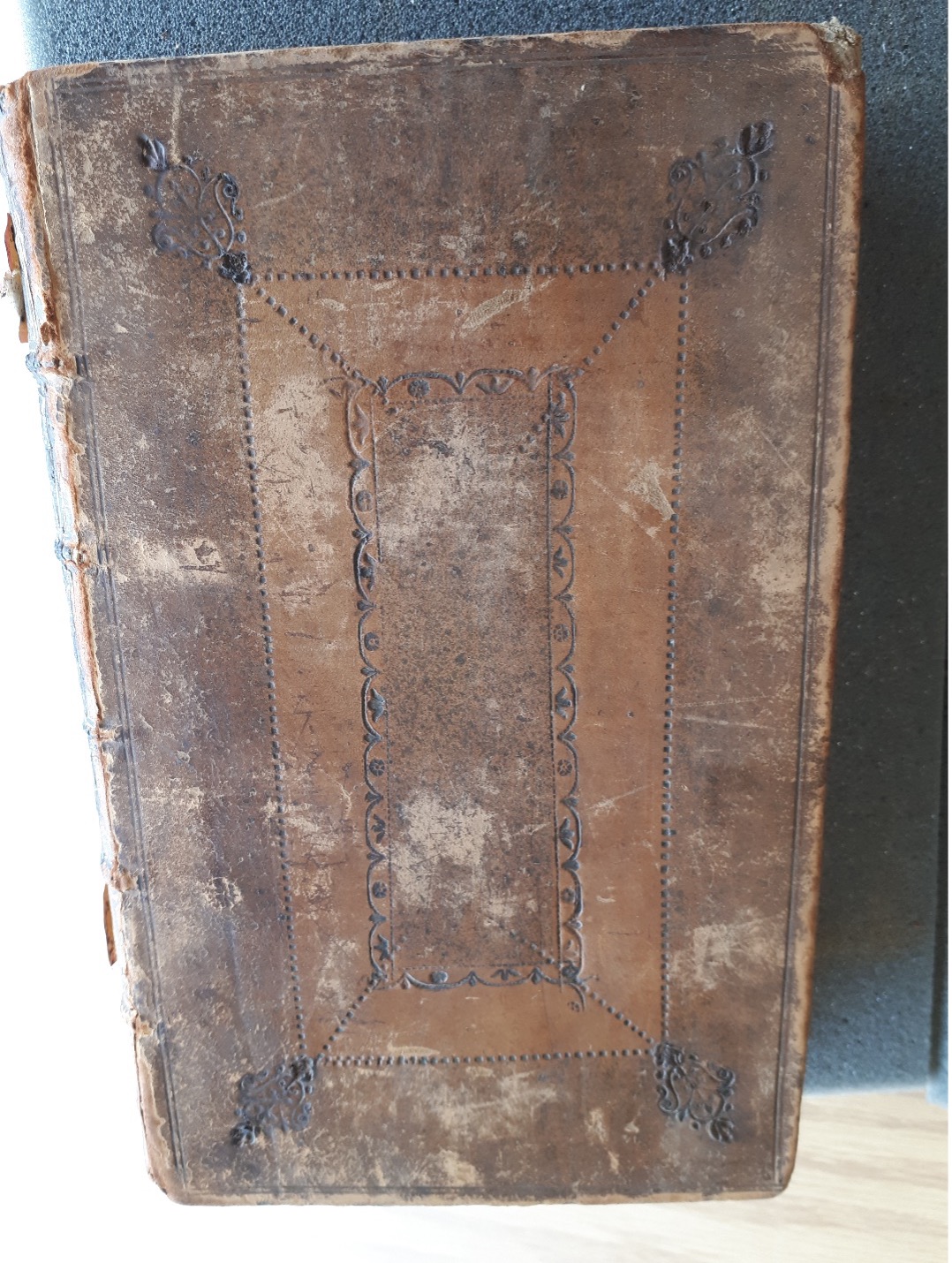
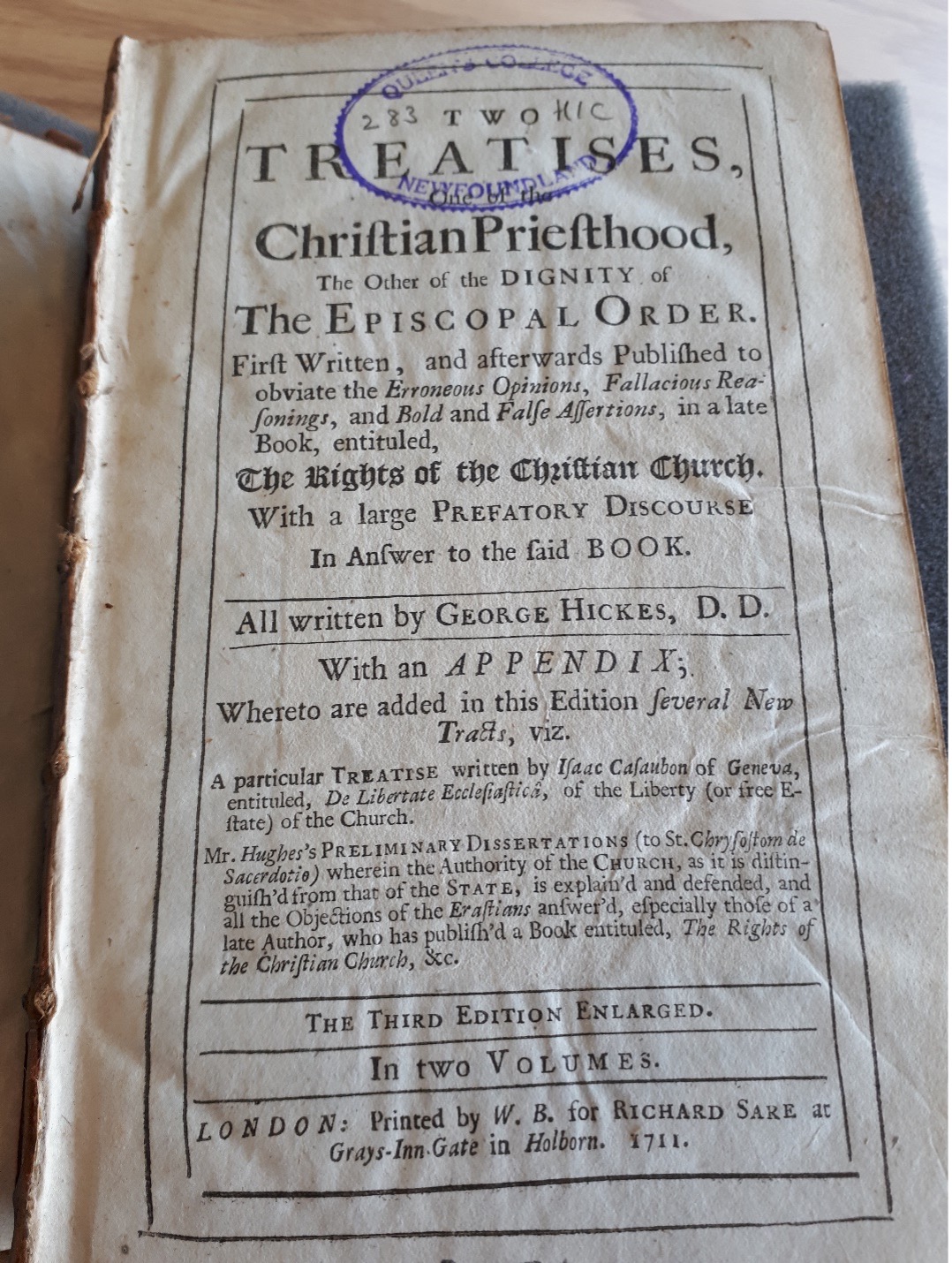
Feild’s doctrinal interests are demonstrated by his ownership of George Hickes’s Two Treatises, One of the Christian Priesthood, The Other of the Dignity of the Episcopal Order (London: Richard Sare, 1711). George Hickes (1642-1715), an Oxford-educated clergyman known for his Anglican loyalism (Thompson 1), was a member of the Nonjurors, clergy who refused to pledge allegiance to William III and George I. His association with this movement interfered with his ecclesiastical career as bishop of Worcester during the seventeenth century. Hickes was “equally opposed during James II’s reign to Monmouth’s Rebellion in 1685 and to James’ Catholicism and his policy of toleration” (1). The bishop’s resistance earned him the ire of the royal court. From 1689 to 1699, Hickes lived as a fugitive when William III’s rebel forces expelled him from his bishopric in Worcester. Despite his tumultuous life, the bishop enjoyed a successful literary career as one of the “leading figures in the English antiquarian movement; a churchman fascinated with the linguistic, literary, and political origins of national institutions” (Lerer 28).
Hickes’s historical interests led him to research and write on the origins of Catholic practices, which he used to support the Church of England and the monarchy. For instance, Hickes examined the traditions of the original church to corroborate his view that the Scriptures were a legitimate source of God’s will and that doctrines created in the first centuries of Christianity were still valid. In particular, he discussed the importance of oblation, or the act of offering material sacrifices to God, to early Christians and its continuing significance to modern worshippers. Hickes believed that the Church of England’s authorities were hypocritical for accepting oblation, but not the doctrine of resistance, the sacred practice of resisting unqualified leaders. He used this argument to show that the “secular honours of the clergy have occasioned not only the people, but priests themselves, in a great measure to forget their spiritual dignity” (xliv). In Hickes’s view, if oblation was accepted, then all other doctrines must be accepted, giving further credence to religious and political minorities who refused to accept the Church of England’s teachings.
As a part of Feild’s collection of doctrinal works, Hickes’s writings show that the Anglican bishop was interested in how prior clergy resisted secular authority. Feild’s adoption of Tractarianism meant that he believed that his own religious authority trumped governmental powers. Hickes’s work may have resonated with Feild as a source of inspiration on how to properly assert his own leadership in the face of popular resistance and secular authority.