William Fulman: The Life of Charles I
Feild’s interest in the execution of Charles I, the religious and political head of the Church of England, by Cromwell and his forces is represented by his ownership of William Charles Fulman’s The Works of Charles I with his Life and Mrtyrdome (London: Ric Chiswell, 1687). Before this period, the monarchy saw itself as the divinely appointed leader of England that acted as the intermediary between secular and religious branches of society. Charles I’s death at the hands of rebel forces exposed the monarchy’s vulnerability and that its power was not absolute. Fulman (1632-1688) was an antiquarian who explored the Stuart king’s actions that led to the Civil War by compiling together official and personal documents that belonged to Charles I. In particular, Fulman looked at how the king ruined the relationship between the church and the government by interfering in religious matters (Sherlock 1). The majority of the papers that Fulman included in his book focus on the king’s efforts to negotiate peace between his court and Parliament, including “Messages for Peace, XXXVIII” and “Declarations and Papers Concerning the Treaty of Peace at Oxford, MDCXLII.”
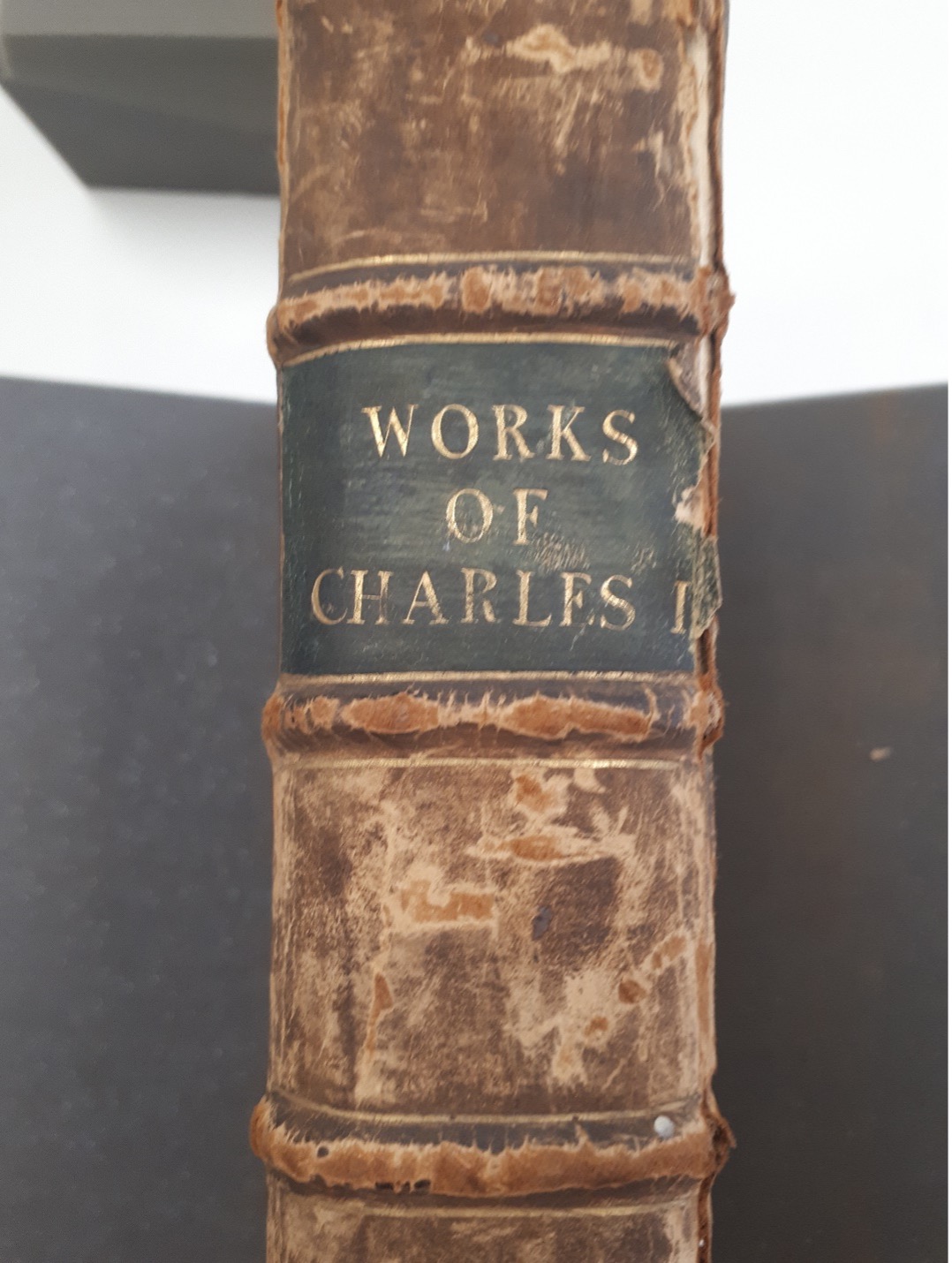
Fulman’s compilation is biased in favour of King Charles I, representing him as a monarch who advocated for peace, which he failed to achieve because Parliament refused to cooperate. Yet, Fulman did not consider Charles I’s own contribution to starting the Civil War and his refusal to negotiate with Parliament about religious uniformity. Since “Charles I believed that the church was an essential pillar of royal government and viewed heterodoxy as potentially subverting kingly power,” he wanted the Church of England under his control (Kishlansky and Morrill 19). Charles I’s purpose was to unify everyone in England, whether they were Roman Catholic, members of the Church of England, or religious dissidents, in order to control the clergy. The king’s actions, however, resulted in his subjects becoming frustrated with his rule that granted favour to Roman Catholics and Protestants who refused to follow the national church. Despite Fulman’s exclusion of Charles I’s blunders, his book provides a significant glimpse into how the king acted during the Civil War and how his actions led to a society split into warring factions over religious freedom.
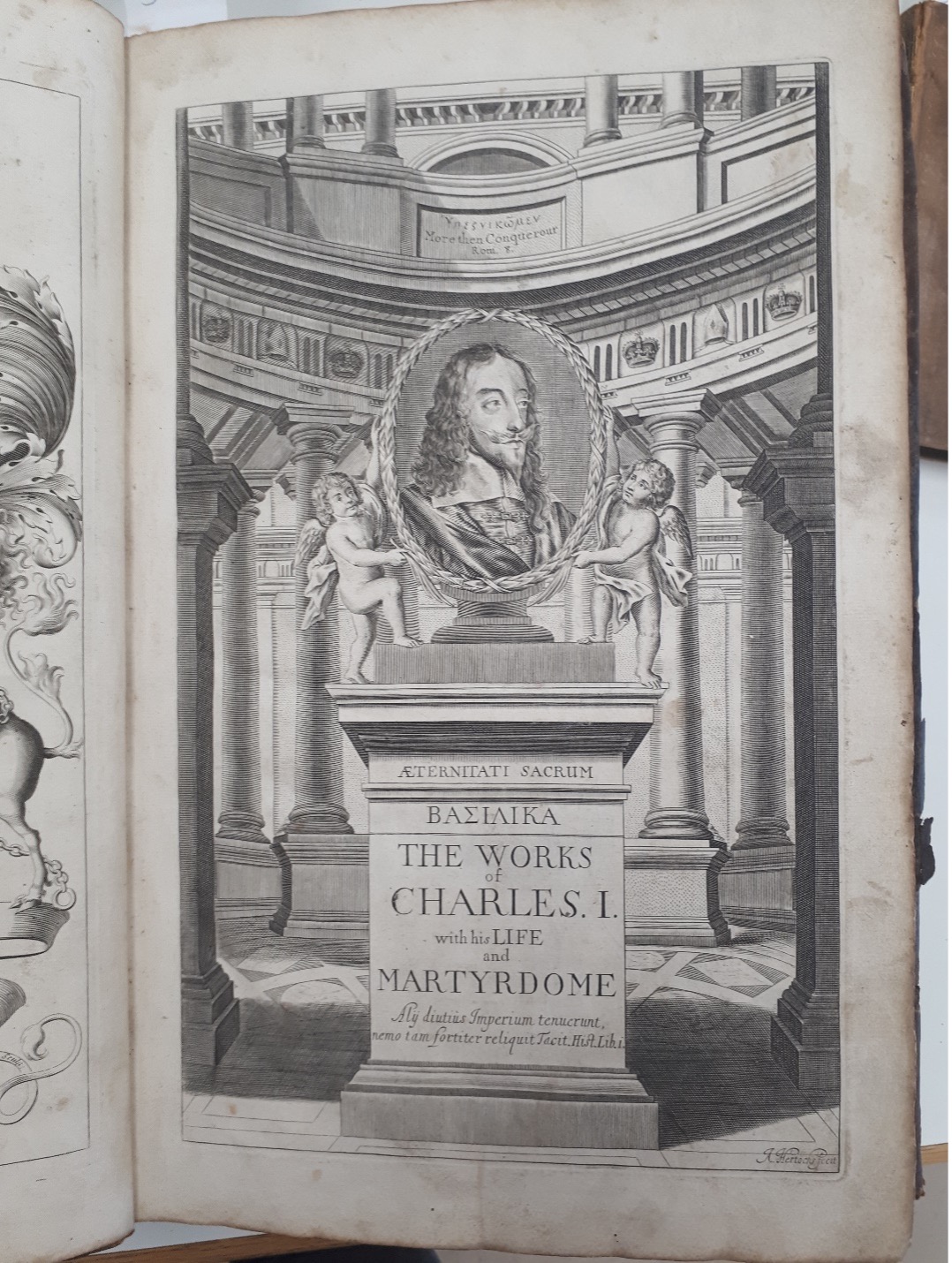
Feild’s inclusion of Fulman’s documentation of Charles I’s life demonstrates that the bishop was interested in collecting books on the history of the Church of England. As the head of this religious institution, Charles I held considerable sway over the church’s operation. His death represented the extreme disarray that the Church of England experienced during the Civil War. As a member of the Oxford Movement, Feild would have looked at the history of the Church of England to examine how to better prevent such attacks against the church from happening again.